How to Bring AI to the Factory Floor with IFS Cloud™
Many manufacturing companies want to adopt artificial intelligence, but they are unsure where to begin. The good news is that you do not need to completely transform your operations overnight to start seeing value from AI.
The key is to start strategically: focus on high-impact areas, create quick wins, and build momentum from there.
1. Start with the Content You Already Have
Most organizations already possess a large amount of operational knowledge in the form of SOPs, PDFs, training videos, and internal procedures. The challenge is that this information is often difficult to access, update, and share across teams and locations.
With AI, existing documentation can quickly be transformed into standardized digital work instructions that are easier to use and scale.
The result:
- Faster onboarding
- More consistent training
- Better knowledge sharing across sites and shifts
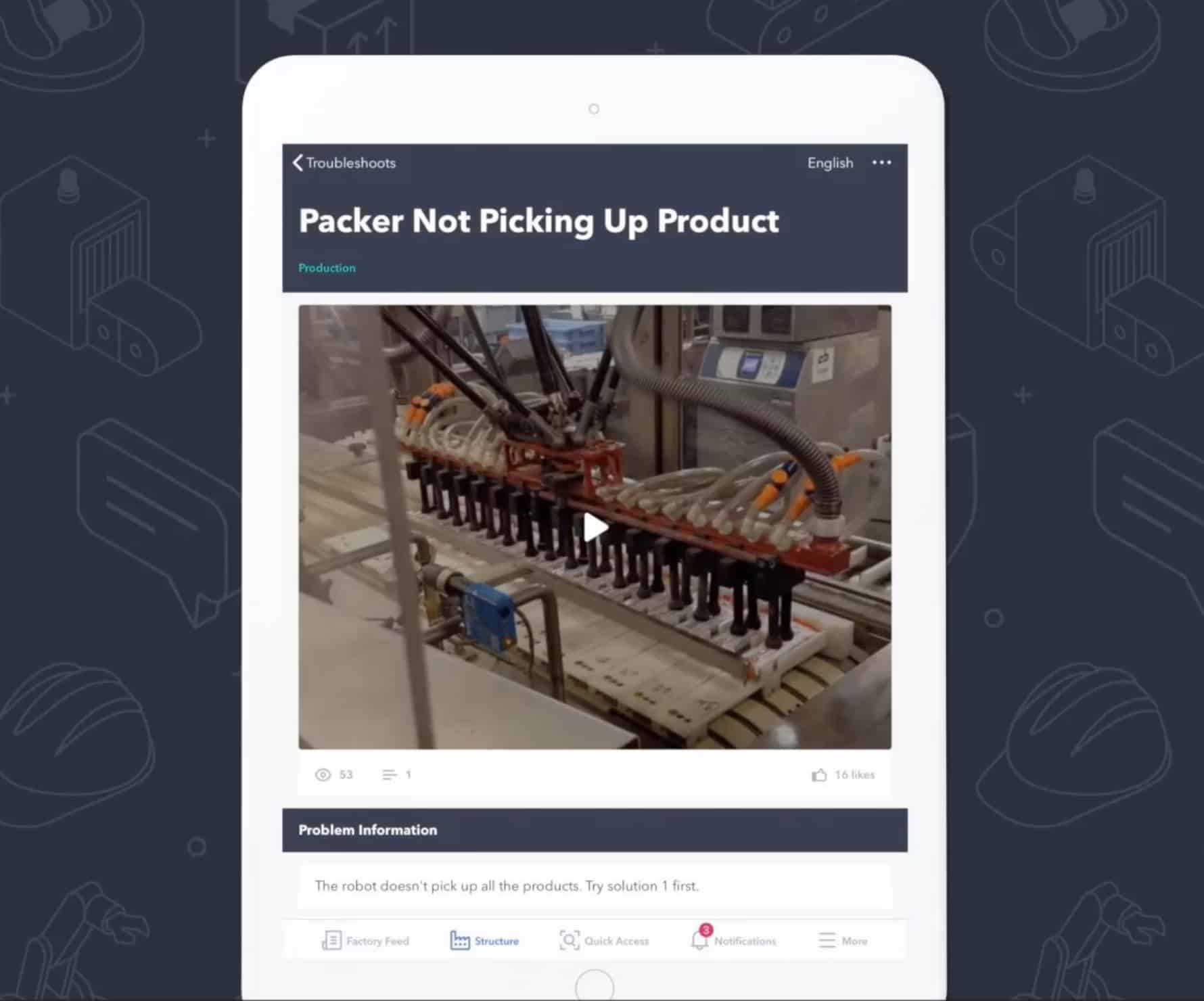
Watch eaxmple video from IFS: “Poka Connected Factory Worker”
Poka is a connected worker application designed to empower factory workers with the knowledge and tools needed to support manufacturing excellence. This is an example of how you can easily bring AI to the factory floor!
2. Empower Workers with Real-Time Answers
Frontline workers often need quick access to information to solve issues efficiently. AI-powered search tools can help employees instantly find procedures, guides, and troubleshooting content — regardless of how the question is phrased.
This creates a more self-sufficient workforce and reduces the need to interrupt supervisors or colleagues for support.
Benefits include:
- Fewer interruptions
- Faster problem resolution
- Greater employee autonomy
3. Close Skills Gaps
AI is not just about automation, it is also about empowering people.
By combining AI with modern skills management tools, manufacturers gain real-time visibility into workforce competencies, helping identify gaps and prioritize training where it matters most.
A centralized skills matrix makes it easier to:
- Identify missing competencies
- Assign the right training
- Track development across teams
The result is stronger compliance, faster upskilling, and a more confident workforce.
4. Connect the Workforce
In many manufacturing environments, communication barriers are created by language differences, shift work, and geographically distributed teams.
AI can help eliminate these challenges through:
- Automatic transcription
- Text enhancement
- Multilingual translation
When communication flows more effectively across locations and teams, collaboration and operational efficiency improve throughout the organization.
The result is a more connected and inclusive workplace.
5. Measure Performance and Continuously Improve
Implementing AI is not a one-time initiative. Long-term success depends on continuously monitoring adoption, identifying trends, and addressing issues before they escalate.
With built-in analytics tools, companies can:
- Measure adoption rates
- Identify improvement opportunities
- Proactively resolve performance issues
This enables continuous improvement driven by real-time insights instead of guesswork.
Start Small, Then Scale
One of the biggest misconceptions about AI is that it requires massive investments and complete operational transformation from day one.
In reality, successful AI adoption starts with solving practical problems, creating quick wins, and scaling gradually over time.
The companies seeing the greatest impact from AI on the factory floor are often those focused on practical improvements such as:
- Easier access to knowledge
- More effective training
- Better communication
- Data-driven decision-making
When these elements work together, AI becomes more than just a technology initiative — it becomes a true competitive advantage.
Want to learn more about how you can bring AI to the Factory?
Contact us today and let us help you getting started with AI!

More blogs
 Read more
 IFS Cloud 25R2: Smarter, Greener, Faster.
Manufacturing Highlights in
 Read more
 Elevate Product Quality with IFS Quality Control in Manufacturing
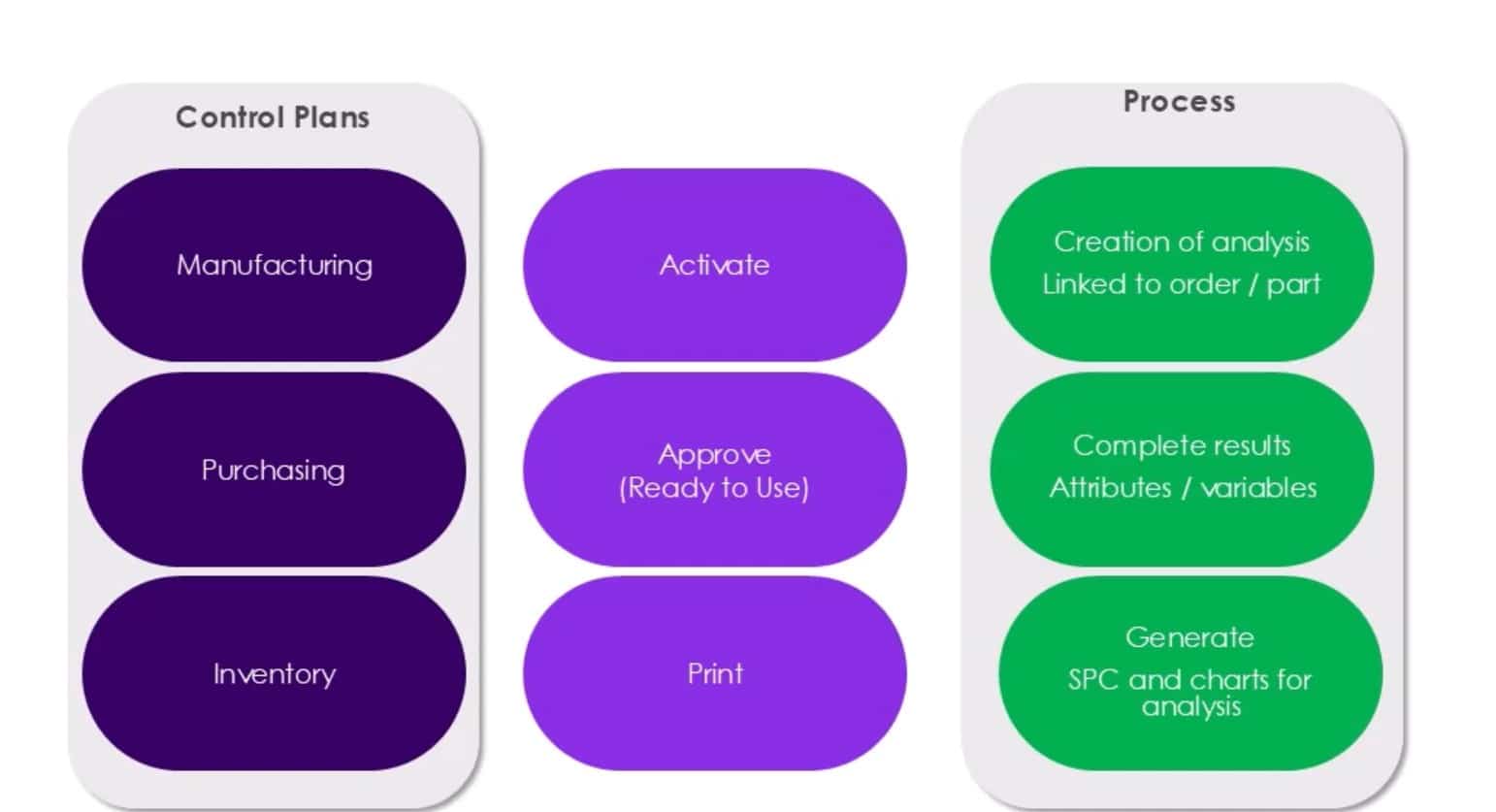
What IFS Quality Control Delivers IFS Cloud brings all quality steps together — from incoming
 Read more
 IFS Loops: Your new digital colleague
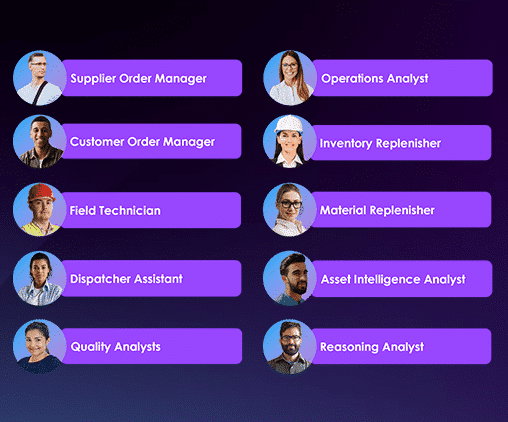
IFS calls it “a digital workforce for industrial operations.” We call it a practical way to take the friction out of everyday processes.
 Read more
 IFS Cloud is perfect for the oil and gas energy companies
Whether you’re operating offshore rigs, managing a fleet of vessels, or coordinating energy infrastructure across regions, IFS gives you the tools.