Enhancing Manufacturing Efficiency and Decision-Making with the new IFS Cloud Update.
Based on the IFS blog post “IFS Cloud: a new update for a new reality”
IFS always strive to help organizations overcome challenges and achieve their goals. Against a backdrop of disruption, managing and fine-tuning core priorities is crucial. That’s why IFS Cloud leverages automation, artificial intelligence, and machine learning to optimize processes and decisions across people, assets, and services. This empowers organizations like yours to achieve growth, deliver successful outcomes, and pivot quickly as needs arise. To help you optimize your people, assets, and services, the update will assist to:
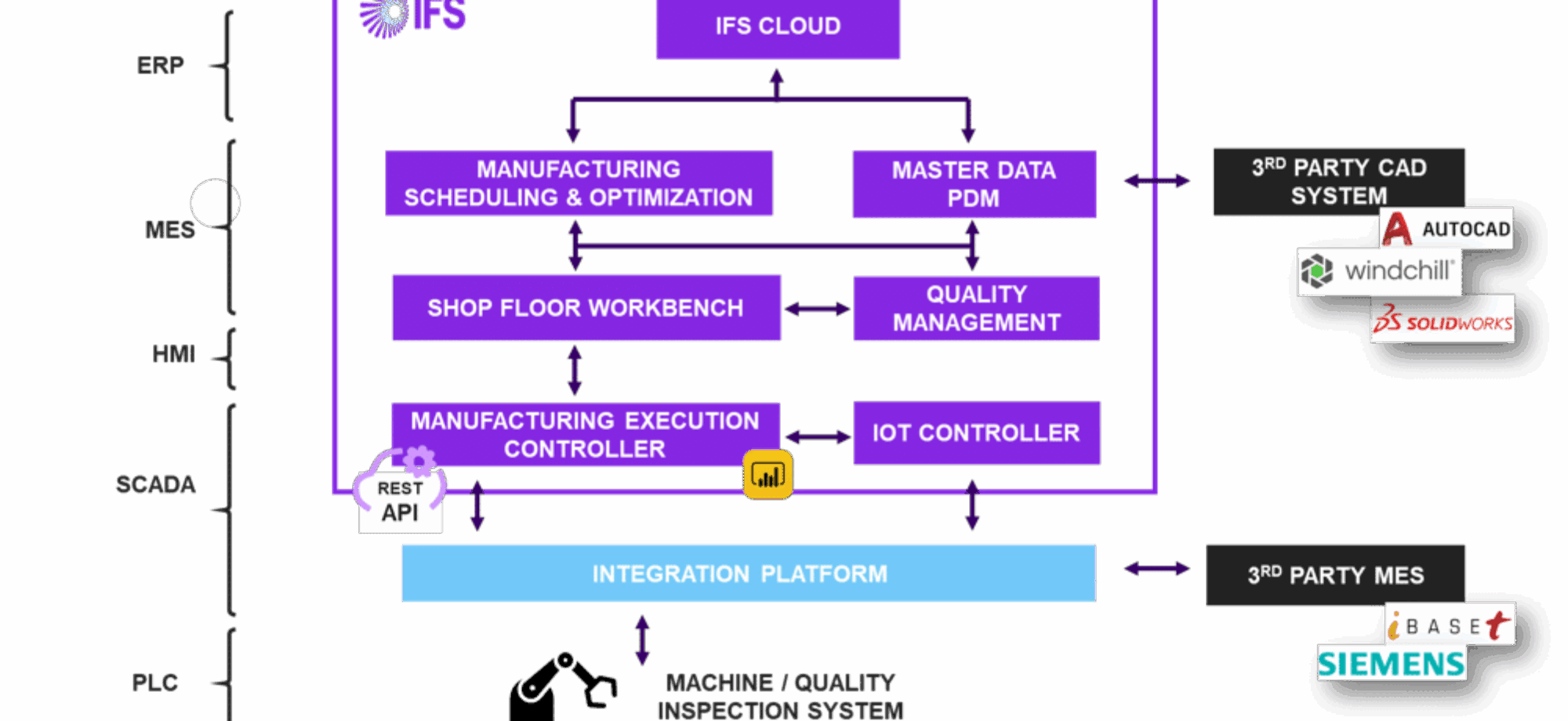
Improve manufacturing throughput and quality through intelligent automation with manufacturing updates in ERP.
The latest updates help your teams benefit from easier integration for master data with a third-party Manufacturing Execution System (MES) and reduce production costs through improved support for automated production reporting in production schedules. Increase quality control to ensure successful outcomes.
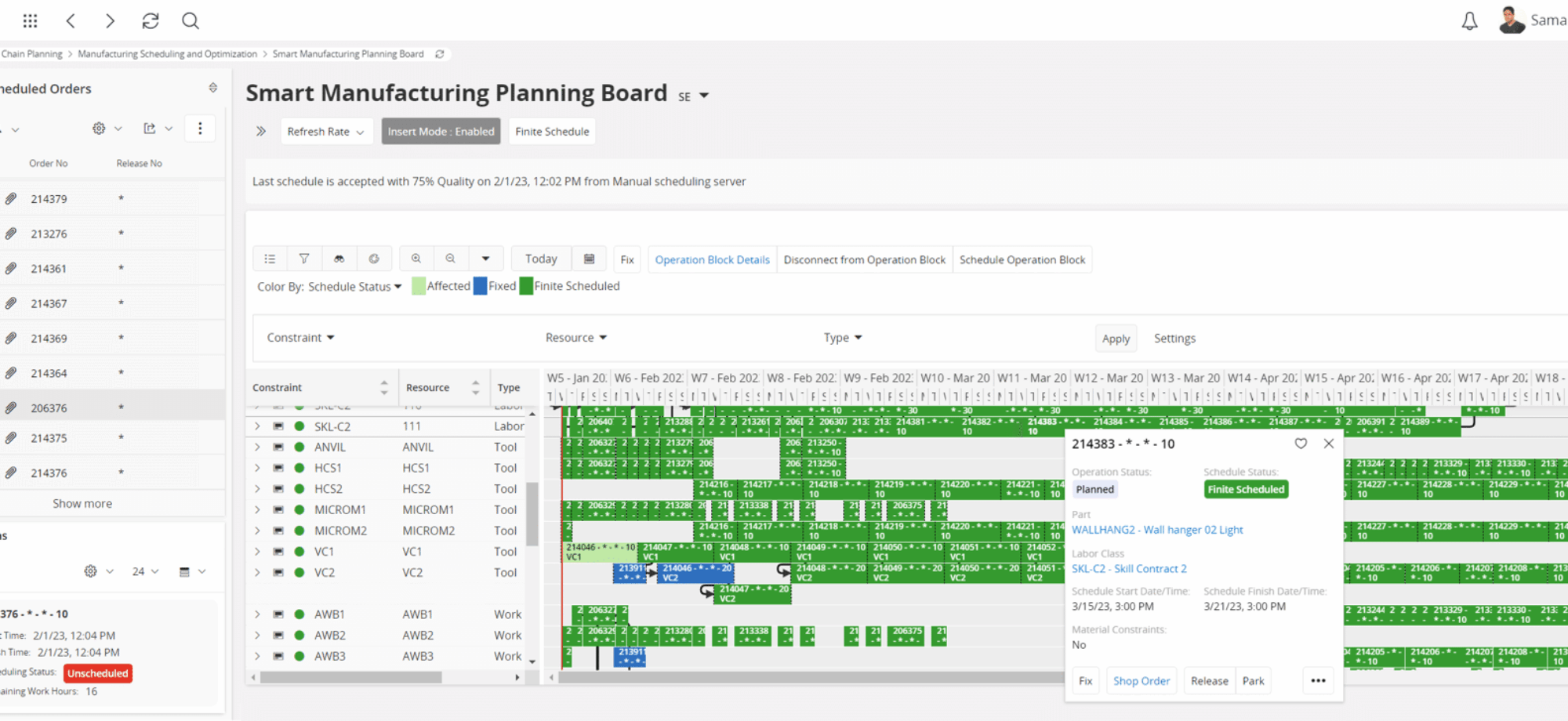
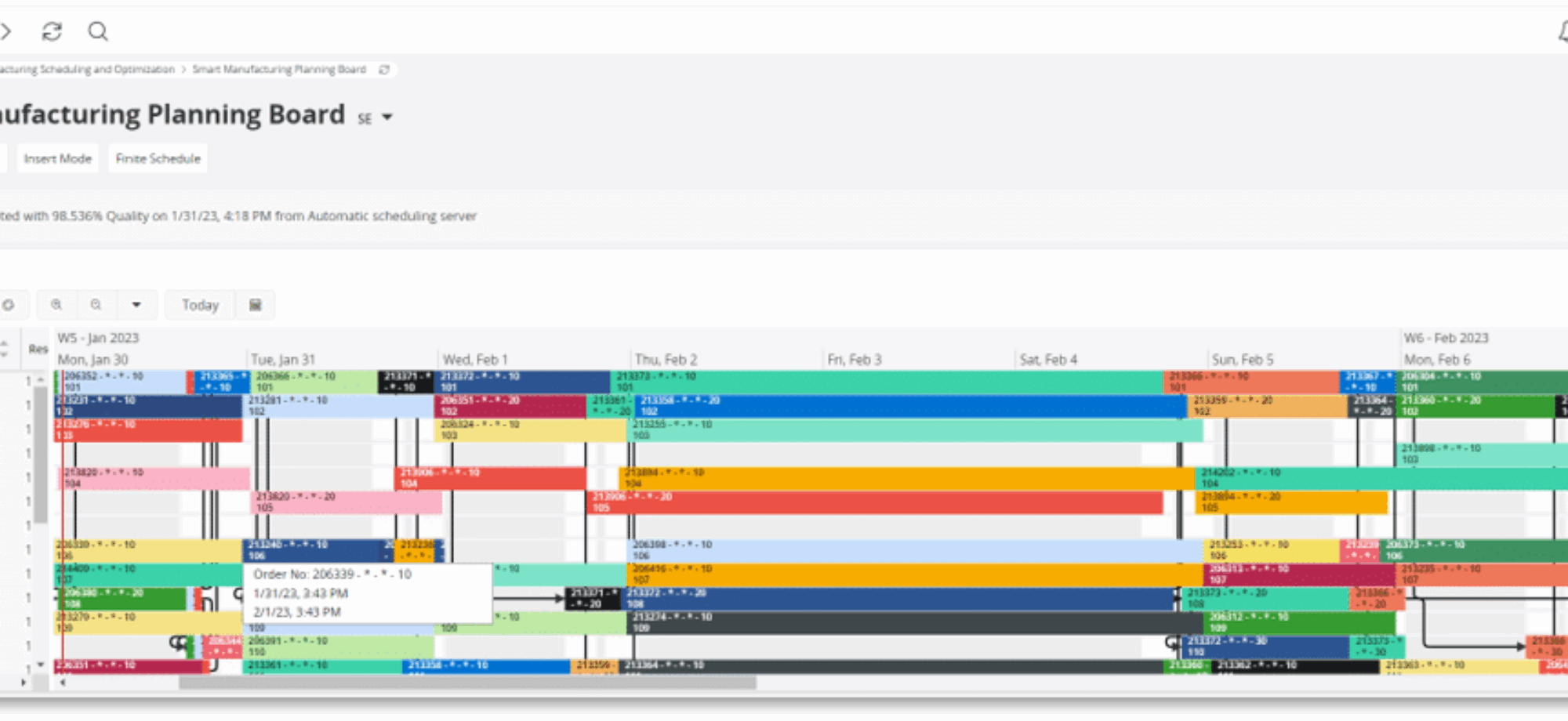
Empower your product planners with new scheduling scenario functionality.
IFS Cloud Manufacturing Scheduling & Optimization offers new scheduling scenario functionality, which enables your product planners to create more realistic schedules and better meet customer demand. Optimize your resources and reduce work in progress and inventory levels to maximize production output.
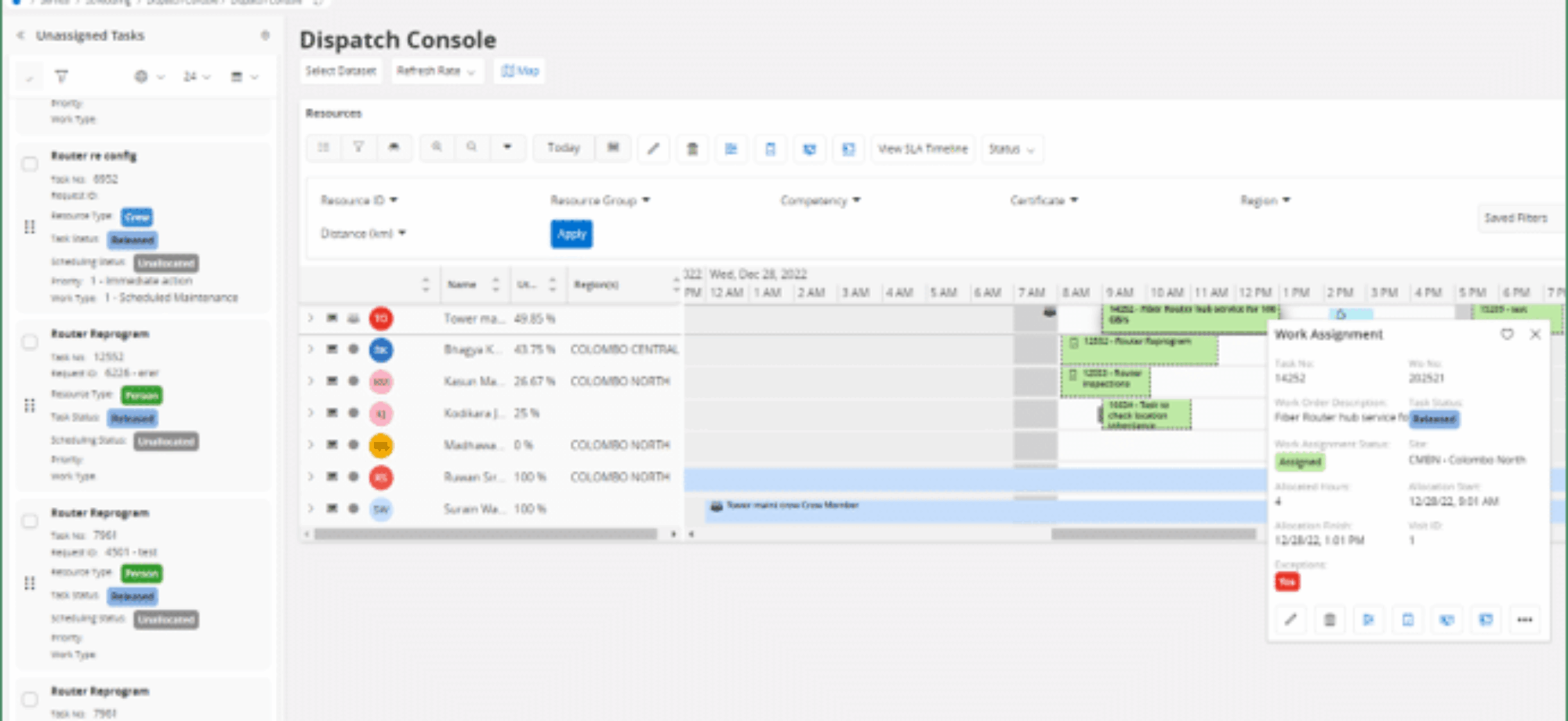
Increase first-time-fix on jobs requiring service crews.
With the latest updates to Service Management in IFS Cloud, your crew resources are now part of task and shift planning, with scheduling optimization that now supports your crews with individual and team resource types and skills for service delivery. This improvement ensures that your crews can respond to customer needs more quickly and efficiently.
Improve compliance and balance asset uptime with maintenance needs.
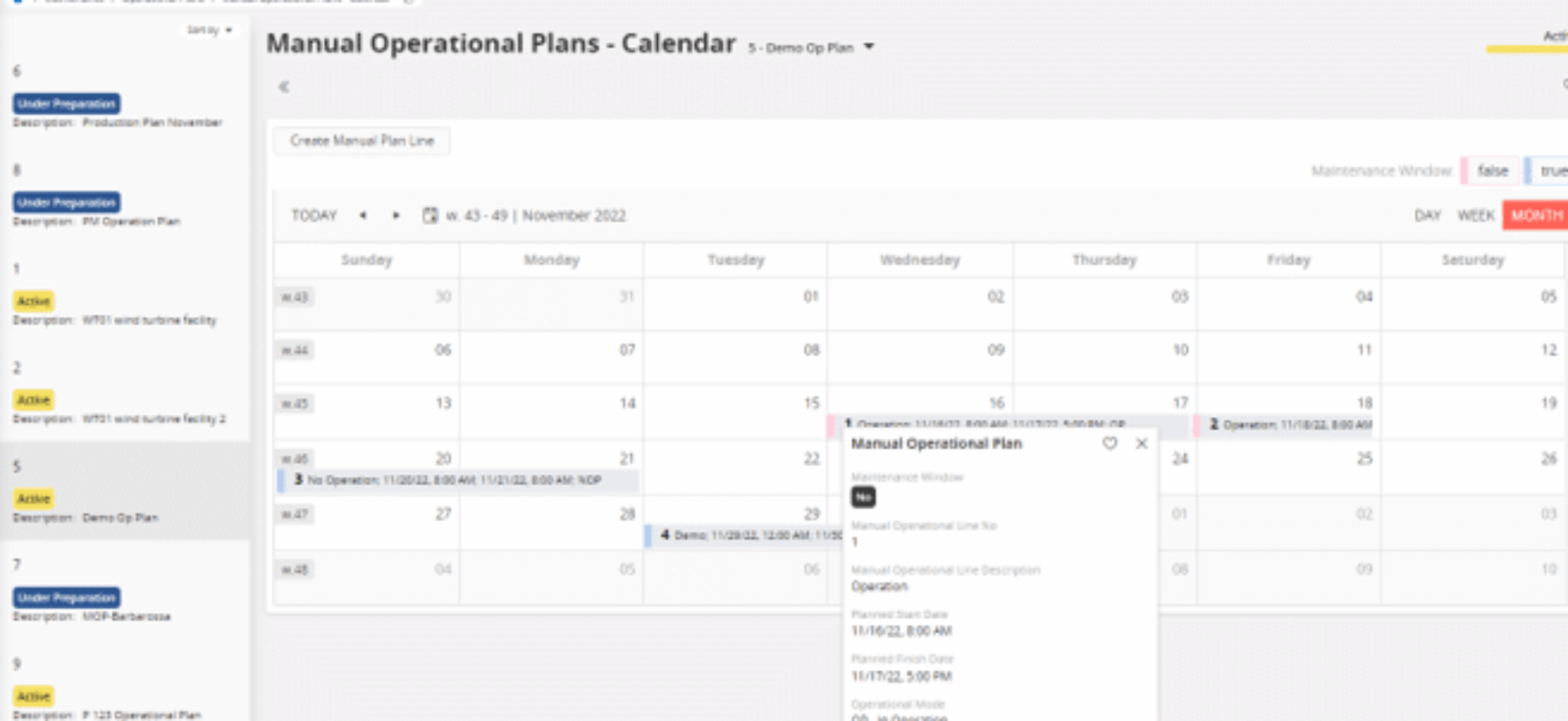
With our Enterprise Asset Management updates to IFS Cloud, your organization gains greater control over maintenance planning and helps meet regulatory expectations. Your teams can now align maintenance and operational plans combining both data sets into a unified scheduling experience. This unification minimizes downtime impact in operational environments by allowing your planners to optimize resources by identifying deviations or unplanned activities and incorporating new ones for maintenance intervention.