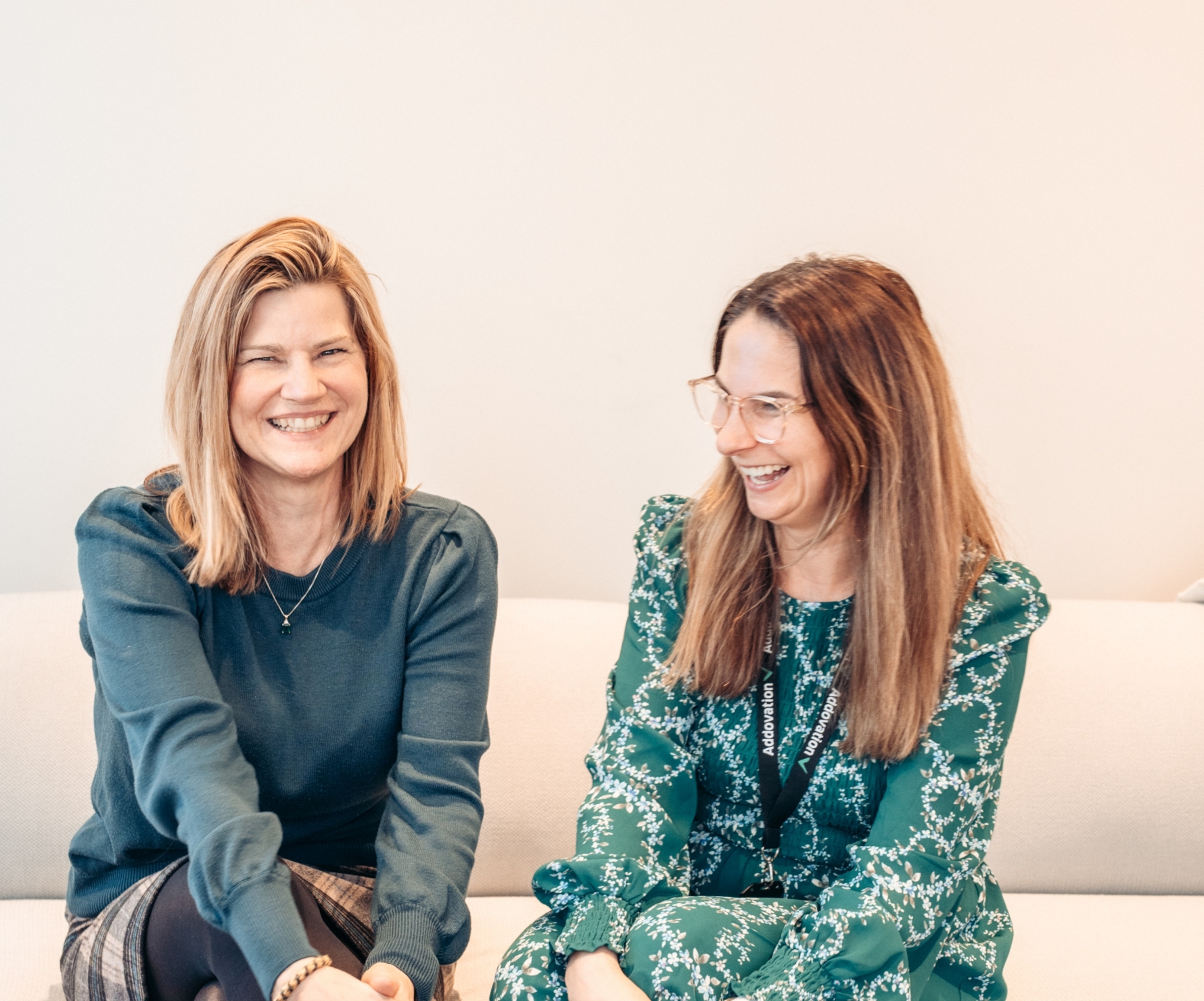
Digital employees: Giving your people more time for what matters
The best automation does not simply remove tasks. It creates more room for people to use their judgement, expertise and time where it matters most.
Written by Sigrid Marie Saastad
A new kind of capacity
Many organisations still have highly skilled people spending significant time on repetitive work: collecting information, checking status, moving data between systems, preparing routine documentation or following up predictable cases.
Digital employees can take responsibility for clearly defined parts of this work. They can monitor, retrieve information, prepare recommendations or carry out actions within agreed boundaries. AI may be part of how they operate, but the business value is simpler: less manual effort and more capacity for higher-value work.
Think about a finance team collecting information before following up an invoice, a service organisation reviewing a request and finding the relevant asset and contract, or a project team repeatedly compiling status information. These are tasks that can often be handled more efficiently without removing human control.
Remove work, not control
A digital employee should have a clear role. It needs access to the right information, rules for what it can and cannot do, and defined points where a person reviews, approves or intervenes.
This is especially important around ERP and other business-critical systems. Automation should make work easier and more consistent, while governance, permissions and accountability remain clear.
The question is therefore not simply what can be automated. A better question is: where can we remove repetitive work while keeping people in control of the decisions that matter?
Small improvements can create significant value
The greatest opportunities are not always dramatic. A few minutes saved in a process may appear insignificant. Repeated hundreds or thousands of times across an organisation, the effect can be substantial.
Faster response times, fewer handovers, more consistent execution and better use of specialist capacity can all contribute to the business case.
Most importantly, the time released can be used differently. Finance professionals can spend more time on analysis. Service teams can focus more on customers and exceptions. Consultants can spend more time solving problems and providing advice.
Start with the work
Digital employees should be designed around real processes, not around a technology looking for a use case. Understanding the task, the systems, the data and the people involved is what turns automation into a useful part of everyday operations.
That is also where experienced business and ERP expertise matters. The objective is to find the right work to change and design a better way of getting it done, not to create as many digital employees as possible.
Where could your people spend their time more effectively?
Addovation combines expertise in business processes, ERP, automation and AI to identify tasks that can be handled more efficiently while keeping the right human control. Contact us for an informal, no-obligation conversation about where digital employees could create value in your organisation.
More from this series
 Read more
AI doesn’t need to be the headline
From AI initiative to everyday capability For the past few years, almost every conversation about
 Read more
The right technology for the right job
Start with what needs to improve Technology is developing quickly, and organisations have more
 Read more
From individual tasks to intelligent workflows
Look beyond the individual task Many technology initiatives begin with a single activity: summarise
 Read more
Creating more value with the resources you already have
Productivity is only the beginning When organisations assess new technology, the first question is
 Read more
Go-live is just the beginning: Creating value throughout the ERP journey
The journey changes after go-live Going live with an ERP system is a major milestone, but it is not